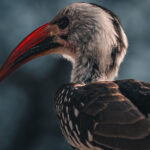



Birding in East Africa often looks easier from the passenger seat than it really is on the ground. The landscape feels full from first light. Rollers flash across the track, hornbills hop through roadside scrub, raptors sit up in the clean morning air, and the sheer volume of sound around a wetland can make the whole place seem effortless. That first impression is part of the problem. It convinces many travelers that birds will simply come to them.

In reality, the gap between a safari with birds and a genuinely strong birding safari is wide. East Africa is rich, but richness alone does not create depth. The quality of the trip depends on timing, habitat choice, route discipline, local knowledge, and a guide who understands birds as more than a pleasant extra between mammal sightings.
That is why traveling with a specialist birding guide matters. A specialist guide does not only know more names. They protect your best field hours, raise the quality of your sightings, and make the entire journey more intelligent. In field terms, specialist birding is less about adding random species and more about turning limited safari time into repeated high-quality sessions.
The biggest advantage is not the species total
Most people assume the main value of a specialist birding guide is a longer checklist. That is true, but it is not the most important truth.
The bigger advantage is field efficiency. Birding is deeply sensitive to time of day, light angle, wind, micro-habitat, and recent movement. A woodland edge that feels full of song at dawn may go flat by mid-morning. A marsh channel that is alive at first light can become hard, bright, and unproductive later. A stretch of dry-country scrub in Samburu (Kenya) may deserve patience early, while a different habitat is better worked once the day has warmed.
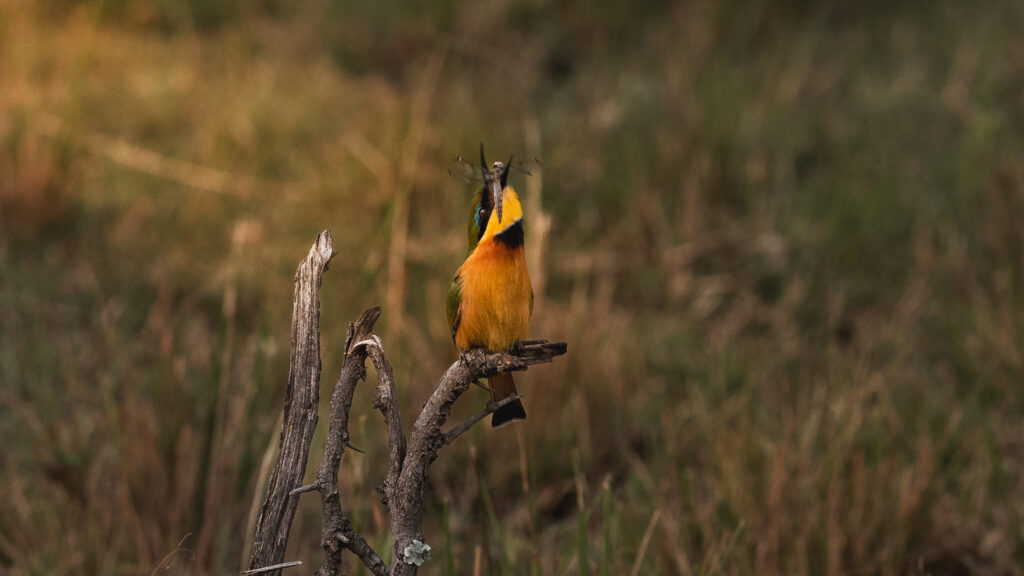
In real safari planning, a specialist birding guide usually means fewer wasted hours. That is the practical baseline. They know when to push, when to wait, and when not to be distracted by every passing possibility.
At Bobu Africa, we usually treat the first and last field sessions of each day as the most valuable birding windows. Three nights usually means six prime field sessions. If two of those are weakened by poor route logic or slow habitat judgment, the entire trip feels thinner than it should.
A specialist guide reads habitat before the birds appear
This is one of the least visible but most important differences in the field.
A general safari guide often works reactively. They stop when something obvious appears, or when the landscape seems broadly promising. A specialist birding guide works more like an editor shaping a story. They read structure before the event. They understand what a patch of fever tree edge is likely to hold in Amboseli (Kenya), what a thorn scrub belt might offer in Samburu (Kenya), how short-grass plains work differently from marsh margins in Ndutu (Tanzania), and why some roads are worth repeating while others only look good on a map.
This matters because birding is not simply about what exists in a park. It is about what is likely to show itself in this habitat, in this light, with this level of wind, after this recent weather, at this exact hour.
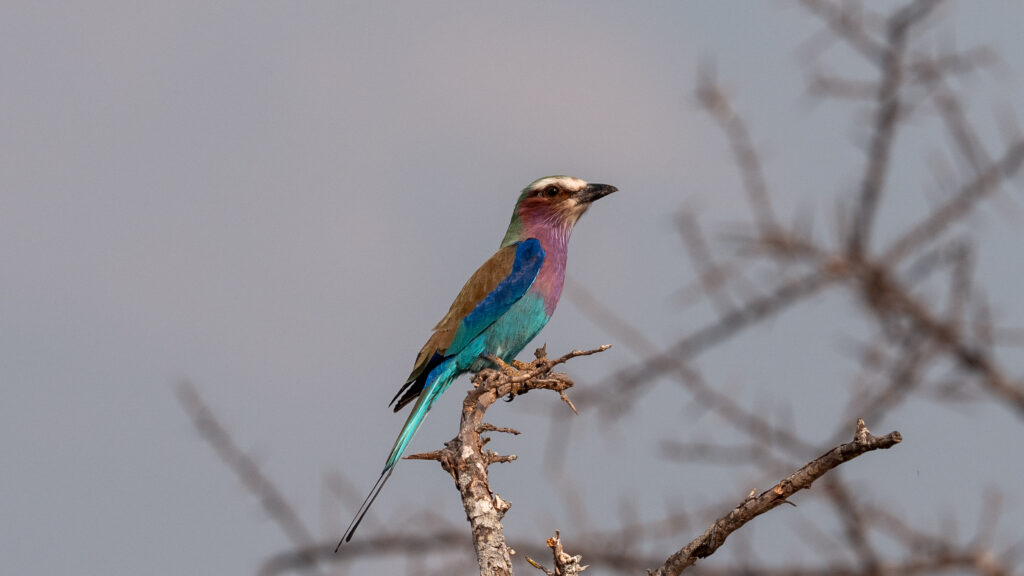
That is why experienced birders remember certain guides so clearly. The guide did not just point out birds. They knew where the morning was building. They sensed when to hold a patch longer. They understood when the soundscape was telling them to stop even before the guests noticed anything themselves.
Identification quality changes the whole mood of a trip
East Africa is generous, but it is not always simple. Open-country birding may feel clear at first, but many of the real decisions happen in moments of ambiguity. Female plumages can be subtle. Juveniles blur easy expectations. Raptors lift overhead in difficult light. Larks, pipits, cisticolas, and weavers can turn confidence into hesitation very quickly.
For a casual traveler, an approximate answer may feel acceptable. For birders, photographers, and premium travelers who care about quality, repeated uncertainty drains the trip. It creates friction. It weakens trust in the guiding. It leaves too many sightings sitting in that unsatisfying space between maybe and probably.
A specialist birding guide improves this immediately. They do not just supply names. They explain why the bird is right. They compare shape, habitat fit, structure, behavior in the field, and voice where relevant. That makes the trip richer even for guests who are not deeply technical birders.
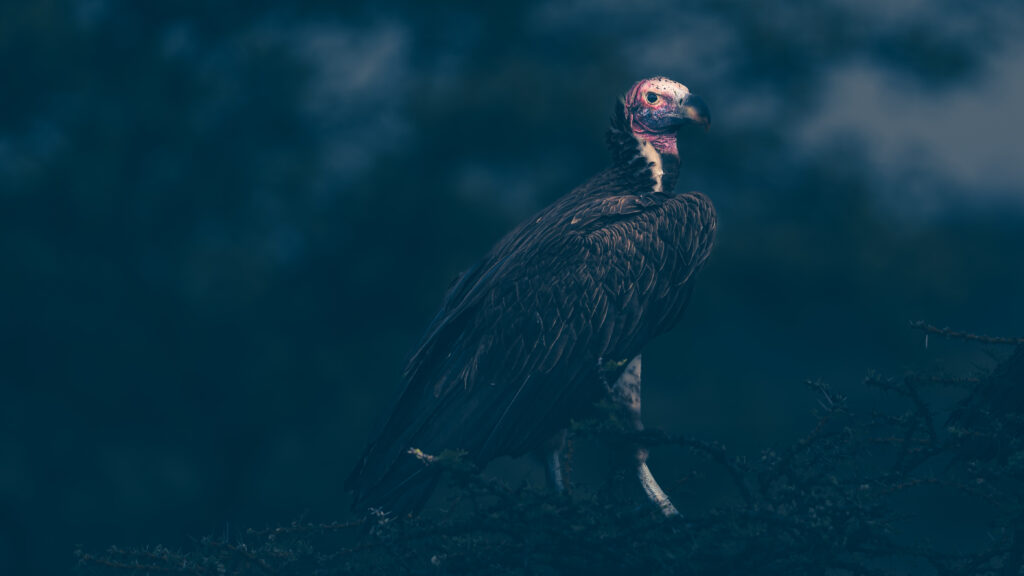
In our 15 years of field operation across East Africa, we see this mistake most often: travelers assume any excellent mammal guide will automatically deliver advanced birding. Some can, but many are naturally stronger on large wildlife than on the finer demands of bird identification and bird-focused route planning. The result is not only missed species. It is a weaker overall safari rhythm.
A specialist guide knows what not to chase
This is where true field maturity shows.
Bird-rich environments tempt people into constant interruption. Every raptor overhead suggests a stop. Every distant silhouette on a dead branch raises a question. Every movement in roadside scrub feels like it might be important. Without discipline, the day becomes busy but thin.
A specialist guide understands the cost of distraction. One transfer day often costs two prime wildlife windows. Smaller versions of the same trade-off happen inside every game drive. A twenty-minute detour for a low-value stop can erase the best light in the wetland you actually needed to reach. A long pause on the wrong track can cost a key woodland session before the wind rises. A guide who knows birds at a high level understands that saying no is often as valuable as saying stop.
This is one reason the strongest birding safaris rarely feel frantic. They feel deliberate. They move with purpose. They leave room for patience, but not for drift.
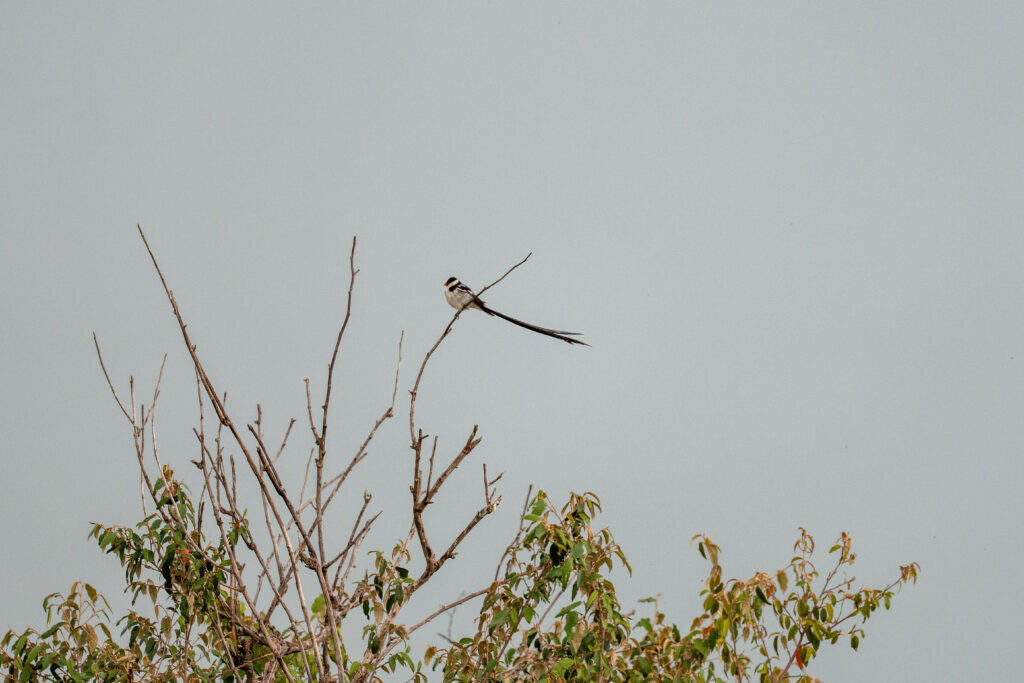
Bird photography benefits even more than most travelers expect
For wildlife photographers, the value of a specialist birding guide often becomes obvious very quickly. Seeing a bird and photographing a bird are not the same thing.
A fly-by sighting may count for a list, but it gives little to a photographer. A bird deep in hard shadow may be interesting, but it does not become a useful opportunity. A nervous species flushed too early may not settle again within range. Photographic birding requires more than detection. It requires approach judgment, angle awareness, perch sense, patience, and timing.
For photographers, birding is less about headline spectacle and more about full-trip consistency. A single rare species seen badly is exciting for a moment. Several days of clean, well-positioned opportunities often matter more in the final memory and in the final edit.
A specialist guide helps create those chances. They know when a bird is likely to return to the same perch. They know how closely certain species will tolerate a vehicle. They know when to hold a line because the background will clean up if the bird shifts slightly. They know when side light is worth repositioning for and when moving at all will collapse the encounter.
This is especially valuable in places such as Lake Naivasha (Kenya), the Rift Valley wetlands, Tarangire (Tanzania), and mixed habitat zones where a day can move from waterbirds to woodland species to open-country raptors in a single outing.
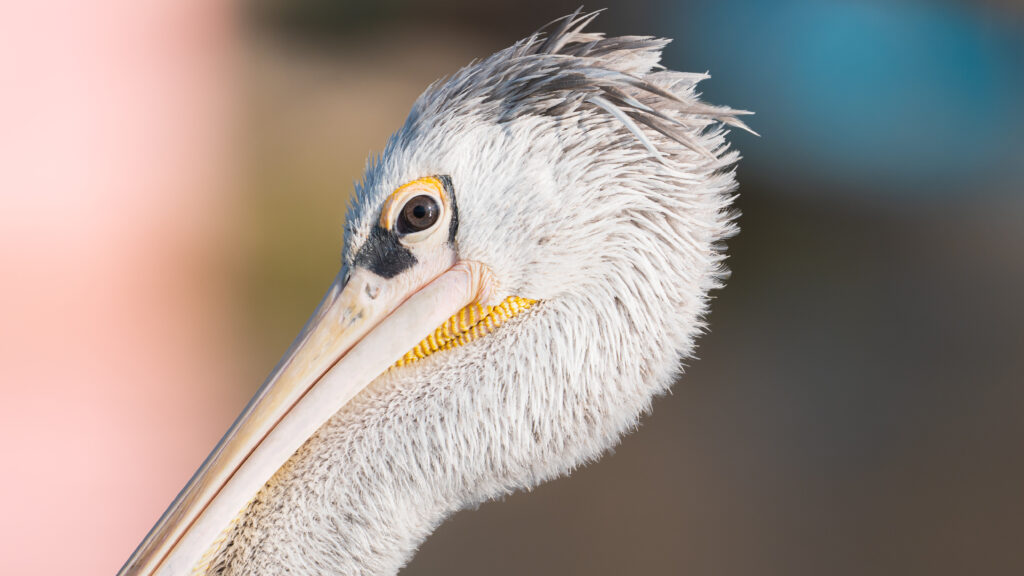
East Africa rewards local knowledge more than many travelers realize
One reason specialist guiding matters so much here is that East Africa is not one birding landscape. It is a mosaic.
The birding logic of Maasai Mara (Kenya) is not the same as Serengeti (Tanzania). Amboseli (Kenya) works differently from Samburu (Kenya). The route choices that make sense in open plains do not necessarily work in thicker riverine habitat. Wetlands reward a different pace from dry-country circuits. Forest edge birding requires a different style again.
Even within one region, lodge position and drive structure can shape outcomes dramatically. In the Mara ecosystem, location matters more than room glamour when field hours are limited. That principle applies broadly to birding as well. A beautiful camp that weakens your access to key morning habitat may be a worse birding choice than a less flashy property with stronger field positioning.
At Bobu Africa, we usually build birding journeys from field structure outward. First protect the habitats, drive times, and prime sessions. Then layer comfort around that. The reverse order often produces a more elegant itinerary on paper but a weaker safari on the ground.
Different travelers need specialist guides for different reasons
Not every guest arrives with the same objective, but many benefit from specialist guiding more than they expect.
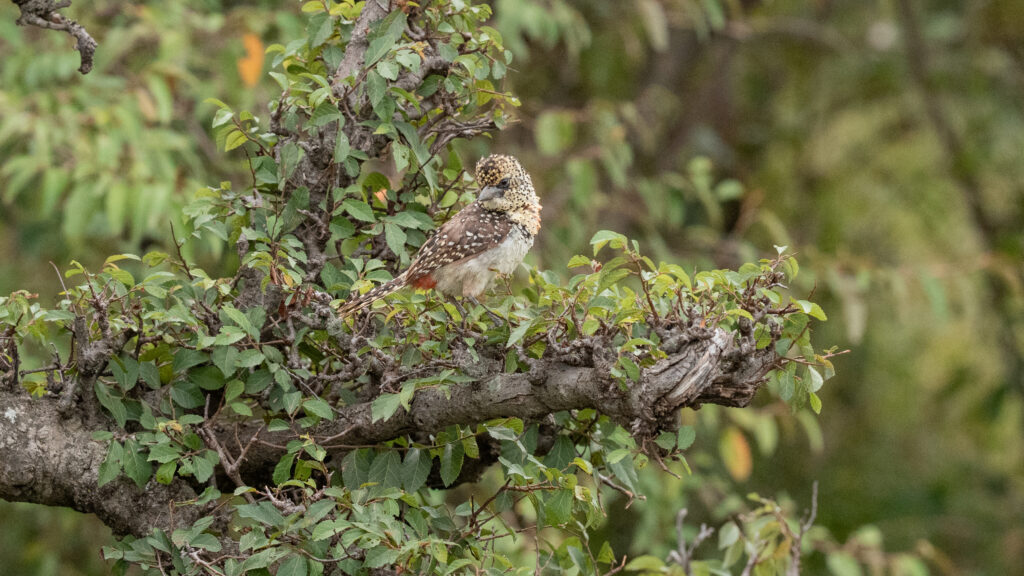
Dedicated birders
If you have target species, a family-level interest, regional specialties in mind, or a trip list that matters to you, a specialist guide is close to essential. The more specific your goals become, the more expensive a wrong route decision feels.
Wildlife photographers
If you care about cleaner backgrounds, workable distance, patient positioning, repeated chances, or species that require slower fieldcraft, a specialist birding guide adds real value. The difference often shows not in the number of sightings, but in how many of them become useful.
Premium safari travelers
Some guests are not list-driven at all. They simply want a safari with depth. They want the landscape to feel legible rather than generic. They want to understand why one area matters more than another and why the guide chose a particular route at a particular hour. Specialist birding adds this layer beautifully. A marsh stops being pretty water. A thorn belt stops being anonymous bush. The trip becomes more textured and more memorable.
Practical advice before booking a birding safari
If birds matter to your journey, ask better questions before you choose a guide or route.
- Is your guide a dedicated birding guide or a general safari guide with bird knowledge?
- Which ecosystems does the guide know best?
- How many full field sessions do you actually have, not just how many nights are listed?
- Are there too many transfer days cutting into dawn and dusk?
- Is the route built around habitat logic or simply around famous mammal areas?
- If photography matters, can the pace support careful positioning instead of checklist speed?
These questions matter because strong birding is rarely the result of luck alone. It comes from repeated good decisions.
A strong safari is not defined by one dramatic sighting, but by repeated high-quality field sessions. That rule is easy to say and hard to honor unless the itinerary and the guide are working together.
The deeper reason this matters
Safari time is finite. No traveler has unlimited dawns, unlimited second attempts, or unlimited clean light. Once a prime session is gone, it is gone. A specialist birding guide helps make sure those hours are spent where they can matter most.
That is the deepest reason to travel with one. Not because birding needs to be made complicated, and not because every traveler needs to become a specialist themselves. The value is that the trip gains clarity. The route becomes smarter. The sightings improve. The landscapes make more sense. The whole journey feels less accidental.
The best birding safaris in East Africa rarely feel loud or showy. They feel well-timed, well-read, and quietly exact. That quality almost always begins with the right guide.
FAQ
Is a specialist birding guide only worth it for serious birders?
No. Serious birders benefit most obviously, but photographers, natural history travelers, and premium safari guests also gain from better timing, stronger identification, and more coherent field sessions.
Can a general safari guide still be good for birding?
Yes, some general safari guides are excellent with birds. But if birding is a meaningful part of your safari, it is worth checking depth rather than assuming. The difference often appears in route planning, identification confidence, and habitat judgment.
How many nights should I spend in one area for birding?
Three nights is a strong practical baseline for one key ecosystem. Three nights usually means six prime field sessions, which gives you enough room for weather changes, habitat variety, and second attempts at priority species.
Does a specialist birding guide still make sense on a mixed safari with mammals?
Yes. Mixed safaris often create more time pressure, not less. A specialist guide helps balance mammals, birds, photography, and route efficiency so the trip does not become scattered.
FAQ
Q: Is a specialist birding guide only worth it for serious birders?
A: No. Serious birders benefit most obviously, but photographers, natural history travelers, and premium safari guests also gain from better timing, stronger identification, and more coherent field sessions.
Q: How many nights should I spend in one area for birding?
A: Three nights is a strong practical baseline for one key ecosystem. That usually gives you six prime field sessions, which creates enough space for changing light, weather, and second attempts at priority species.
Plan Your Journey
If birds are an important part of your East Africa journey, Bobu Africa can help design the trip around the right habitats, the right guiding depth, and the right field rhythm. The goal is not a generic safari product, but a well-shaped journey that works in real conditions for birders, photographers, and travelers who want more substance in the field.